Smart Electronic Feeders: The Future of SMT Production in 2026
Smart Electronic Feeders: The Future of SMT Production in 2026
The global electronics manufacturing landscape in 2026 is defined by one word: acceleration. As semiconductor demand surges past the trillion-dollar mark and PCB assembly lines face mounting pressure for higher speed, near-zero defects, and end-to-end traceability, a long-overlooked component is emerging as the linchpin of production excellence — the electronic feeder. No longer just a passive component-delivery mechanism, smart feeders powered by IoT connectivity, AI-driven predictive maintenance, and automatic component recognition are fundamentally reshaping what's possible in SMT production. With the global SMT equipment market projected to reach $6.8 billion in 2026 (Mordor Intelligence) and smart feeder adoption growing at 15-18% annually, this article explores the technology breakthroughs, quantifiable productivity gains, and actionable strategies that forward-thinking manufacturers are deploying today.
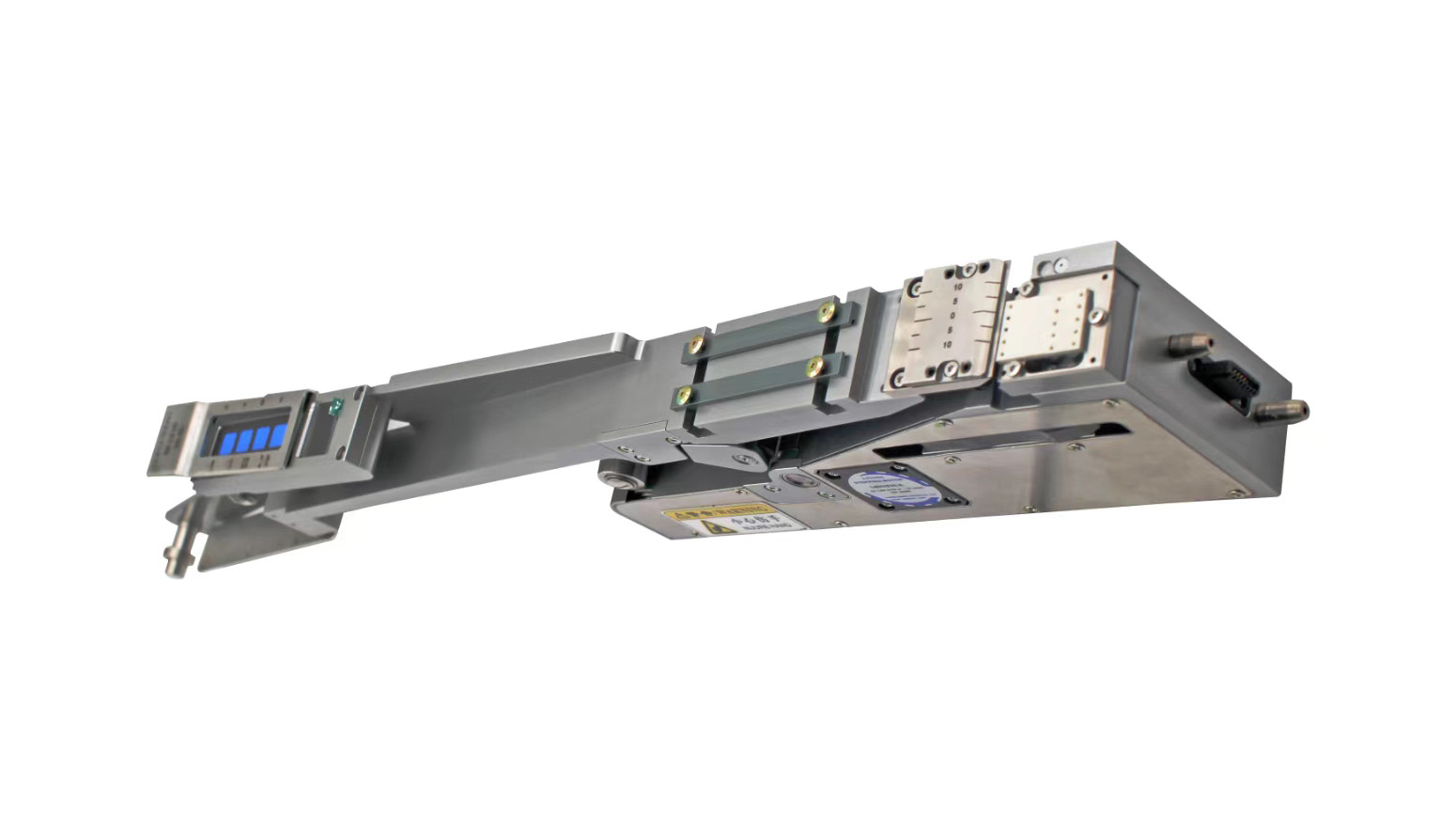
Figure 1: Smart electronic feeders are reshaping SMT production efficiency in 2026
1. The Current State of SMT Production and Key Pain Points
The SMT industry enters 2026 riding multiple converging forces. Global semiconductor revenue is projected to reach $975 billion this year (Gartner), while the electronics manufacturing services (EMS) sector expands at 5.3% annually. Component miniaturization continues its relentless march — from 0402 to 0201 to the emerging 01005 (0.4×0.2mm) standard — demanding ever-greater placement precision and feeder reliability.
Yet beneath this growth narrative, many production lines are wrestling with persistent pain points rooted in feeder technology:
High Mispick Rates: Traditional mechanical feeders exhibit 800–1,500 PPM (Parts Per Million) mispick rates, directly eroding First Pass Yield. For a mid-volume line running 50,000 placements per shift, this means 40–75 daily defects requiring costly manual rework.
Excessive Changeover Downtime: High-mix, low-volume (HMLV) production has become the industry norm, yet traditional feeders require 3–5 minutes per changeover. An 8-product-variant line can lose 1.5–2.5 hours daily to feeder changes alone.
Component Traceability Black Holes: Automotive (IATF 16949) and medical (ISO 13485) regulations increasingly mandate component-level traceability. Traditional feeders without digital interfaces force manufacturers to rely on manual, error-prone batch logs.
Micro-Component Handling Gaps: As 0201/01005 components become standard in consumer and automotive designs, traditional feeders struggle with consistent pickup accuracy — resulting in component wastage and placement errors.
Reactive Maintenance Model: Without intelligent diagnostics, feeder maintenance follows a "wait-for-failure" pattern, creating unpredictable downtime and inflated spare parts inventory.
Industry Benchmark: A 2025 survey by Circuits Assembly magazine found that feeder-related issues account for 23% of all SMT line downtime. For a mid-sized EMS provider operating 8 lines, this represents approximately 1,840 hours of annual lost production — equivalent to running one full line idle for 230 working days.
Figure 2: Technology comparison between traditional and next-generation smart feeders
2. Electronic Feeder Technology: Breakthroughs and Innovations
The electronic feeder market in 2026 is defined by a clear technological divide: traditional pneumatic/mechanical designs versus next-generation intelligent feeders integrating servo drives, IoT edge computing, and automatic optical verification. This evolution mirrors the broader Industry 4.0 transformation sweeping electronics manufacturing.
Modern smart feeders integrate five advanced subsystems working in concert: high-precision servo motors achieving ±0.03mm positioning accuracy; built-in optical cameras verifying component orientation before pickup; embedded processors running local predictive maintenance analytics; laser-based auto-calibration eliminating daily manual adjustments; and OPC-UA/MQTT protocols enabling real-time MES/ERP data streaming. Together, these capabilities turn the feeder from a passive mechanical accessory into an intelligent, self-diagnosing production node.
2.1 Key Technical Parameters: Traditional vs. Smart Feeders (2026)
Parameter
Traditional Feeder (2020 Era)
Smart Electronic Feeder (2026)
Improvement
Feeding Speed
0.075–0.10 sec/component
0.030–0.045 sec/component
55–65% faster
Mispick Rate
800–1,500 PPM
50–150 PPM
85–95% reduction
Min. Component Size
0402 (1.0×0.5mm)
01005 (0.4×0.2mm)
New capability
Changeover Time
3–5 minutes
20–40 seconds
80–90% faster
Calibration
Daily manual
Automatic per-reel
Zero manual time
Data Connectivity
None
Ethernet/IP, MQTT, OPC-UA
Full digital integration
Traceability
Manual batch log
Auto reel-to-placement tracking
100% traceability
Predictive Maintenance
No
Yes (vibration/temp/cycle)
50% downtime reduction
Multi-Brand Compatibility
Brand-locked
Universal (multi-brand)
Maximum flexibility
Component Capacity (8mm)
4,000–5,000 pcs
8,000–12,000 pcs
2–2.5× capacity
2.2 Productivity Gains: Quantitative Analysis
The financial impact of upgrading to smart electronic feeders becomes clear when quantified across key production metrics:
Placement Throughput: Traditional feeder-equipped lines average 35,000–45,000 CPH (Components Per Hour). Smart feeders push effective throughput to 50,000–65,000 CPH — a 30–45% improvement. For a facility running 3 shifts × 6 days/week, this adds 1.8–2.5 million placements monthly per line.
First Pass Yield (FPY): Benchmark analysis of 47 SMT lines across China's Pearl River Delta (2025) shows traditional feeder lines achieve 98.2–98.8% FPY, while smart feeder lines consistently exceed 99.5%. A 0.7% FPY improvement eliminates approximately 350 defects per shift, reducing rework labor by 18–25 person-hours weekly.
Changeover Efficiency: High-mix manufacturers report that RFID-based auto-recognition in smart feeders reduces changeover downtime by 75–85%. A typical 8-product-variant line saves 11–14 hours weekly — equivalent to gaining an additional production shift per month.
OEE Enhancement: Overall Equipment Effectiveness improves from 65–72% to 78–88% after smart feeder deployment. This 13–16 percentage point gain translates to tens of thousands of dollars in recovered capacity annually for mid-scale operations.
Process Capability (Cpk): Smart feeders with closed-loop servo control elevate placement Cpk from 1.33 (barely capable) to >1.67 (industry excellent), critical for automotive-grade 0201 placement.
2.3 Cost Control and Maintenance Optimization
While smart electronic feeders command a higher initial purchase price, a Total Cost of Ownership (TCO) analysis across a 50-feeder fleet reveals compelling long-term economics:
Cost Category
Traditional Feeders
Smart Feeders
3-Year Delta
Initial Purchase
$85,000–$125,000
$165,000–$235,000
+$80,000 to +$150,000
Annual Maintenance Parts
$18,000–$25,000
$6,000–$9,000
−$36,000 to −$48,000
Labor: Calibration/Repair
$42,000–$55,000/yr
$8,000–$12,000/yr
−$102,000 to −$129,000
Downtime Cost (lost production)
$65,000–$95,000/yr
$18,000–$28,000/yr
−$141,000 to −$201,000
Component Wastage (mispicks)
$22,000–$35,000/yr
$4,000–$7,000/yr
−$54,000 to −$84,000
3-Year TCO
$536,000–$790,000
$257,000–$365,000
Savings: $279,000–$425,000
Assumptions: Mid-volume EMS, 3 SMT lines, 50 feeders per line, labor at $28/hr, 260 operating days/year.
IoT-enabled smart feeders continuously monitor 12–18 operational parameters — motor current patterns, vibration signatures, cycle counts — enabling predictive maintenance that reduces unplanned downtime by 47–62% and extends feeder service life by 2–3× compared to traditional time-based maintenance (Smart Factory Institute, 2026 Study).
Explore JHIMS Auto Electronic Feeders: For manufacturers seeking reliable auto electronic feeder solutions with broad brand compatibility — supporting Yamaha, Samsung, JUKI, Panasonic, and FUJI platforms — discover our Auto Electronic Feeder series →
3. Typical Applications: How Electronic Feeders Power Key Industries
Automotive Electronics: Modern vehicles contain 100–150+ ECUs with densely populated PCBs. Smart feeders achieve <50 PPM mispick rates and provide full component traceability from supplier reel ID to individual PCB position — now mandatory at Tier 1 automotive EMS facilities for IATF 16949 compliance.
Consumer Electronics: Smartphone/tablet PCB assembly demands 60,000+ CPH with 99.5%+ FPY. Intelligent feeders with auto-splicing capability enable continuous operation — one reel runs while the next auto-joins — reducing production stoppages by 70% on flagship device lines.
LED Display & GOB Modules: GOB (Glue-On-Board) LED module assembly requires exceptional placement precision across thousands of identical components. Smart feeders with vibration-optimized feeding mechanisms reduce LED misplacement by 60%. With Mini LED and Micro LED production accelerating in 2026, demand for 01005-capable smart feeders is surging.
Medical Electronics: Implantable medical devices demand 100% defect-free assembly. Smart feeders with real-time component verification cameras ensure correct orientation of every 0201 passive. Full component-level traceability satisfies FDA 21 CFR Part 820 quality system requirements.
Industrial Automation: PLC and sensor lines handling 30–50+ component types benefit from RFiD-based automatic setup recognition, enabling profitable high-mix, low-volume production with minimal changeover penalty.
What is an electronic feeder and why is it critical in SMT?
An electronic feeder (also called "feeder" or "飞达" in Chinese) is a precision device that stores, protects, and sequentially presents SMD (Surface Mount Device) components to the pick-and-place machine's placement head. Think of it as the "magazine" of the SMT assembly line — without reliable feeders, even the most advanced placement machine cannot function. Industry data shows feeder-related issues account for 23% of all SMT line downtime, directly impacting three critical KPIs: placement speed, pick accuracy, and line changeover time.
How do smart feeders differ from traditional feeders in 2026?
The core differences span four areas: (1) Drive System — Servo motors with closed-loop control vs. pneumatic/mechanical, enabling 55–65% faster feeding at ±0.03mm precision; (2) Intelligence — Built-in optical verification and automatic reel-based calibration vs. manual setup; (3) Connectivity — Real-time MES/ERP data streaming via Ethernet/IP and MQTT vs. zero data output; (4) Maintenance — AI-driven predictive maintenance vs. reactive "wait-for-failure" model. Combined effect: 85–95% fewer mispicks and 80–90% faster changeovers.
What feeder types handle different SMD components?
Five main types cover the spectrum: Tape feeders (8mm–32mm) handle 90%+ of all SMD components; Tube/stick feeders serve SOIC/PLCC/connectors via vibration or gravity; Tray feeders handle large/fragile components (BGA, QFP) using 2D/3D matrix positioning; Bulk feeders process 50,000+ loose-packed LEDs and small passives per hour; and Smart/intelligent feeders enhance any of the above with IoT sensors, auto-calibration, and MES integration.
What should I verify before upgrading feeders for 0201/01005 components?
Five critical checkpoints: (1) Positioning accuracy of ±0.03mm or better; (2) Servo-driven vibration control to prevent micro-component dislodgement; (3) Tape peeling precision to avoid component rotation during cover tape removal; (4) Built-in optical verification confirming presence and orientation before pickup; (5) Integrated ESD protection with ionizers for static-sensitive 01005 components. Crucially, your placement machine must also support these micro-component sizes — feeder and machine specifications must be validated together.
Can smart feeders be retrofitted to existing pick-and-place machines?
Figure 4: Quantified performance improvement after smart feeder deployment
5. 2026 Outlook and Strategic Recommendations
The electronic feeder market is poised for accelerated transformation through 2026–2028, driven by four powerful trends:
Trend 1 — AI-Driven Predictive Maintenance Goes Mainstream: Machine learning algorithms embedded in feeder firmware will predict component-specific failure modes. Gartner predicts that by 2027, 60% of electronics manufacturers will deploy AI-based predictive maintenance on critical SMT equipment.
Trend 2 — Universal Intelligent Feeders Break Brand Lock-In: Third-party smart feeders supporting 6+ placement machine brands are gaining market traction, reducing manufacturer dependency on single-brand ecosystems and enabling true "best-of-breed" SMT line configurations.
Trend 3 — Component-Level Traceability Becomes Regulatory Mandate: Automotive (IATF 16949:2026 update expected) and medical (FDA UDI expansion) regulations are elevating traceability from "competitive advantage" to "compliance requirement." Smart feeders with integrated reel-ID scanning will become the baseline, not the premium option.
Trend 4 — Energy-Efficient Feeder Designs: New EU Ecodesign regulations (2027 implementation) and rising electricity costs are driving demand for next-generation feeders targeting 30–40% lower power consumption through optimized motor control and low-power standby modes.
Actionable Recommendations for SMT Manufacturers:
Audit Your Feeder Fleet: Calculate current PPM rates, changeover times, and feeder-related downtime. Quantify the cost of maintaining the status quo before building a business case.
Prioritize High-Impact Lines: Begin smart feeder deployment on lines running 0201/01005 components or high-mix production — these environments deliver the fastest ROI.
Choose Universal Compatibility: Select feeders supporting your current and future placement machine brands to preserve long-term flexibility and avoid vendor lock-in.
Integrate with MES from Day One: Smart feeders deliver maximum value when data flows into your factory's digital ecosystem — not in isolation. Plan MES integration as part of the deployment, not an afterthought.
Train Your Team: Smart feeder management requires new skills in data analytics and predictive maintenance interpretation. Invest in operator upskilling alongside equipment upgrades.
Ready to explore smart feeder solutions for your SMT production?
Learn how JHIMS universal electronic feeders — compatible with Yamaha, JUKI, Samsung, FUJI, and Panasonic platforms — can help optimize your line efficiency. Visit our Auto Electronic Feeder series or contact our solutions team for a personalized consultation.

.jpg)
.jpg)
.jpg)


 Teams
Teams
 whatsapp
 telegram
